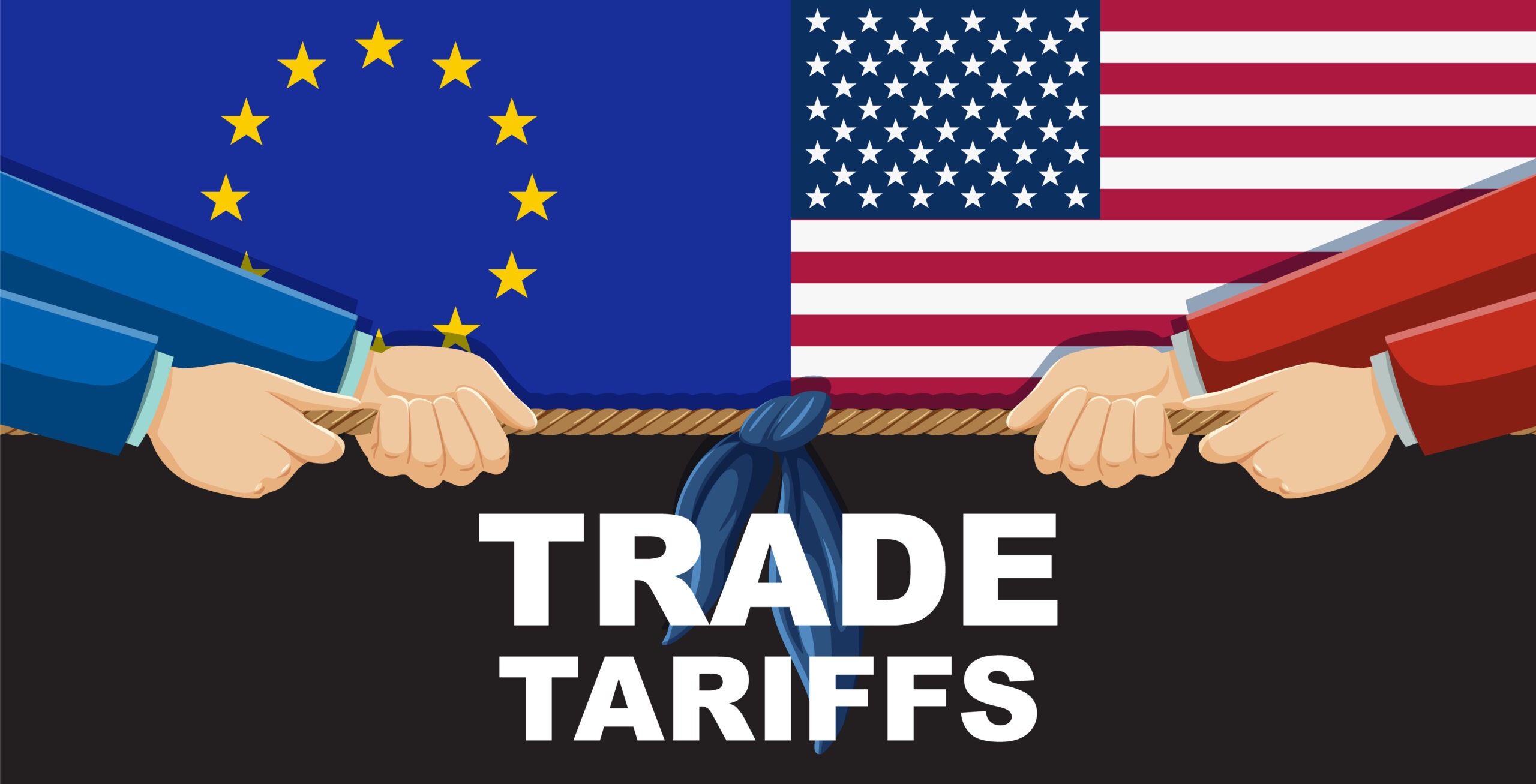
Charting a Precarious Course: Navigating Domestic Turbulence Amid U.S. Tariff Implementation


The bold and arguably disruptive stroke of the 2025 U.S. tariff implementation, a sweeping policy encompassing a universal 10% levy on all imported goods alongside targeted, higher tariffs on specific nations and sectors, has undeniably sent shockwaves rippling across the global economic landscape. However, the immediate and perhaps most keenly felt repercussions are unfolding within the borders of the United States itself, painting a complex and increasingly concerning picture of domestic economic adjustment. The initial data emerging from the first quarter of 2025 offers a stark and undeniable reality: a 0.3% contraction in the nation’s Gross Domestic Product (GDP). This figure, marking the first instance of economic shrinkage since the tentative recovery from the early 2022 economic slowdown, is not merely an abstract statistic relegated to economic reports; it represents a tangible and concerning deceleration in the pace of American economic activity, a chilling effect directly attributable to the increased costs, uncertainties, and disrupted supply chains introduced by the newly erected trade barriers.
The impact of these tariffs is far from uniform across the vast and diverse American economy. Certain sectors, particularly those deeply embedded within intricate global supply chains and reliant on international trade for both inputs and outputs, are bearing a disproportionate share of the burden. The experiences of industrial behemoths like Caterpillar and Stanley Black & Decker serve as poignant case studies in this emerging reality. These iconic American corporations, whose operational efficiency and profitability are intrinsically linked to the seamless flow of goods and materials across international borders, have publicly acknowledged the detrimental effects of the newly imposed tariffs. Reports of weaker-than-anticipated earnings and the difficult necessity to adjust financial forecasts downwards are not isolated incidents confined to quarterly reports; they are indicative of a broader trend impacting manufacturers who rely on imported specialized components, raw materials, and intermediate goods. The increased cost of these essential inputs directly translates to higher production expenses, squeezing already tight profit margins and forcing difficult strategic decisions regarding pricing strategies, capital investment plans, and even workforce management. This initial ripple effect extends far beyond these headline-grabbing corporations, impacting countless smaller businesses that form vital links in their extensive supply chains, potentially leading to job losses and business closures in downstream industries.
Furthermore, the implementation of these sweeping tariffs has ignited a multifaceted and often contentious debate within the United States, dissecting the very core of its economic philosophy and future direction. Public sentiment surrounding the tariffs is far from monolithic, reflecting the diverse economic realities and ideological viewpoints across the nation. On one side of this burgeoning divide, staunch proponents of the tariffs passionately argue that they represent a necessary and long-overdue measure to revitalize domestic industries that have faced decades of global competition, protect American jobs from foreign encroachment, and bolster national security by reducing the nation’s reliance on potentially adversarial foreign suppliers, particularly in strategically sensitive sectors. They envision a resurgence of American manufacturing prowess, fueled by the increased cost of imported goods making domestically produced alternatives more price-competitive. This perspective often resonates deeply with segments of the population who feel that decades of globalization have led to the erosion of the American industrial base, the loss of manufacturing jobs, and a weakening of the nation’s economic sovereignty.
However, a significant and increasingly vocal opposition argues vehemently that the tariffs are a self-inflicted economic wound, ultimately harming the American consumer, stifling overall economic growth, and damaging crucial international relationships. Mounting concerns are being voiced regarding the inevitable rise in consumer prices as businesses, facing higher costs for imported goods and materials, are forced to pass on these increased expenses to American households. Everyday necessities, ranging from electronics and apparel to household goods and even certain food products, are potentially becoming more expensive, effectively eroding the purchasing power of American families, particularly those with lower and middle incomes who can least afford such inflationary pressures. Moreover, sectors of the American economy that are heavily reliant on international trade, such as agriculture (which depends significantly on exports to global markets) and the vast retail industry (which relies heavily on imported consumer goods), are expressing deep anxieties about reduced access to foreign markets due to retaliatory tariffs and the potential for significant disruptions to established global supply chains. The ominous specter of job losses in these trade-dependent sectors looms large, potentially offsetting any purported gains in domestic manufacturing and exacerbating the overall economic downturn, particularly if retaliatory tariffs from key trading partners further restrict access to crucial export markets for American businesses.
The political discourse surrounding the tariffs is equally fractured and intensely polarized, mirroring the broader divisions within American society. The current administration staunchly defends the policy as a crucial and decisive step towards achieving a more balanced, resilient, and ultimately stronger American economy, arguing that any short-term economic pain is a necessary sacrifice that will ultimately yield significant long-term gains in terms of domestic job creation, industrial revitalization, and enhanced national security. Conversely, critics of the tariffs, including a significant number of economists, business leaders, and opposition politicians, vehemently decry the measures as a misguided and ultimately counterproductive protectionist strategy that will inevitably stifle economic growth, damage crucial international relationships, and ultimately fail to achieve its stated objectives. They frequently point to historical examples of damaging tariff wars and their detrimental consequences, warning that the current policy trajectory risks leading to a similar unfavorable outcome. The debate extends to the potential legal challenges to the tariffs under existing U.S. and international trade law, as well as the appropriate role of the U.S. Congress in shaping and overseeing national trade policy. The long-term trajectory of the American economy in this newly implemented tariff environment will depend heavily on the duration and scope of these policies, the adaptive responses of American businesses and consumers to the altered trade landscape, and the constantly evolving political climate both domestically and internationally. Navigating this period of significant domestic turbulence will undoubtedly be a defining challenge for the United States in the coming years, with the potential to reshape its economic future for decades to come.