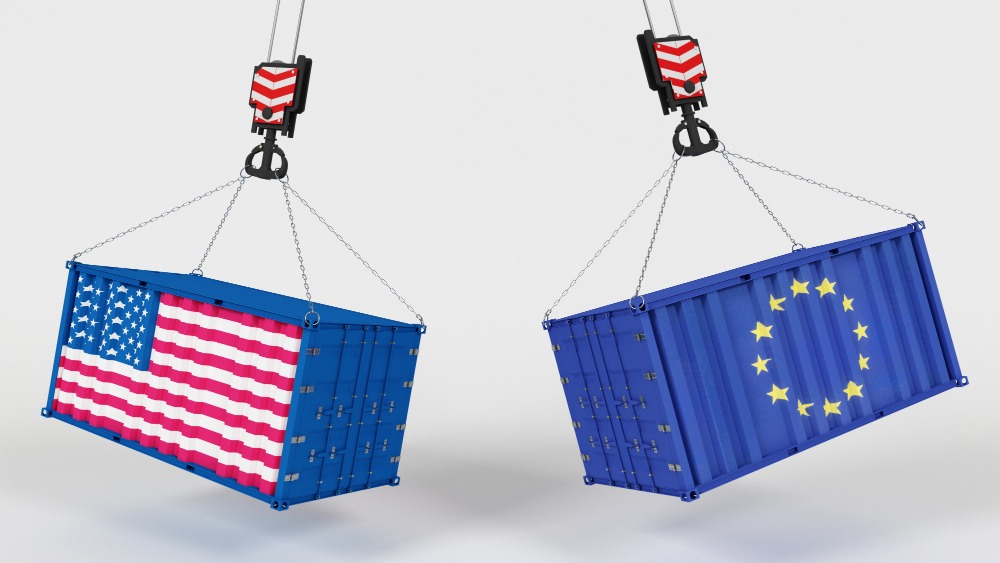
Currency Wars and Capital Flight: A Dangerous Chain Reaction

Introduction: When Tariff Wars Go Beyond Tariffs
Tariff wars don’t always stop with goods and services. As tensions escalate, countries look for other weapons — and currencies become the next battleground.
In this post, we’ll unpack how currency wars and capital flight often follow trade disputes, destabilizing economies and financial markets. These invisible forces can be just as dangerous — and often mark the tipping point from recession into full-blown crisis.
What Is a Currency War?
A currency war happens when countries intentionally weaken their own currency to gain a trade advantage.
How?
- Central banks cut interest rates or print money (quantitative easing)
- Governments intervene in forex markets to keep their currency cheap
Why?
- A cheaper currency makes exports more attractive to foreign buyers
- It also makes imports more expensive, nudging consumers toward domestic goods
But this is a race to the bottom — when one country devalues, others often follow.
The Link Between Tariffs and Currency Devaluation
Tariffs and currency moves are often two sides of the same coin:
- Country A imposes tariffs.
- Country B devalues its currency to offset the impact.
- Country A accuses B of currency manipulation.
- Country A retaliates — with more tariffs or devaluation of its own.
This tit-for-tat can quickly spiral into a currency war — with side effects like:
- Higher inflation
- Stock market volatility
- Investor panic
- Uncertainty in global trade deals
Case Study: U.S.–China and the Yuan Devaluation
In 2019, as the U.S. imposed tariffs on Chinese goods:
- The Chinese yuan fell below the critical 7-per-dollar mark — the lowest in over a decade.
- The U.S. labeled China a currency manipulator.
- Markets reacted violently — with the Dow dropping over 700 points in a day.
This showed just how intertwined tariff policy and currency value had become — and how fragile global investor confidence was.
What Is Capital Flight — and Why Does It Matter?
Capital flight happens when investors and businesses move money out of a country en masse — usually due to:
- Economic instability
- Fear of inflation or currency collapse
- Lack of confidence in government policy
When this happens:
- Foreign reserves drop
- The local currency weakens further
- Borrowing becomes more expensive
- Governments may impose capital controls
This creates a vicious cycle — one that can devastate emerging markets, drain central bank resources, and trigger banking crises.
Real-World Fallout of Capital Flight
- Argentina (2001, 2018–2020): Tariffs, currency instability, and capital flight led to inflation, recession, and IMF bailouts.
- Turkey (2018): U.S. tariffs triggered a lira collapse and investor exodus.
- Russia (2014): Sanctions and trade restrictions drove ruble devaluation and capital flight, destabilizing the economy.
In each case, trade tensions sparked financial chain reactions that proved hard — or impossible — to contain.
Why This Matters for the Average Citizen
Currency wars and capital flight aren’t just finance buzzwords — they affect:
- Your savings (as inflation erodes value)
- Your investments (markets panic in unstable environments)
- Your job (as businesses lose access to capital or foreign markets)
- Your cost of living (through higher import prices)
Even if you live in a country not directly involved in a trade war, the global fallout can still hit hard.
Conclusion: The Silent Collapse Behind the Scenes
While tariff headlines grab attention, the real damage often happens behind the scenes — in currency markets and capital flows. Once these financial dominoes start falling, they’re hard to stop.
In the next and final post of this series, we’ll connect the dots — showing how tariff wars, inflation, unemployment, and capital flight all converge to increase the risk of a systemic economic collapse.